
Last week, the Colombian Caravana presented its interim report at the British Parliament, marking a crucial moment in the international advocacy for human rights and environmental justice in Colombia. This 8th Caravana of jurists, including 22 caravanistas from nine countries across Europe, the UK, Canada, Colombia, and Argentina, embarked on field visits to five Colombian regions, connecting with partner organisations, lawyers, and the communities they represent.
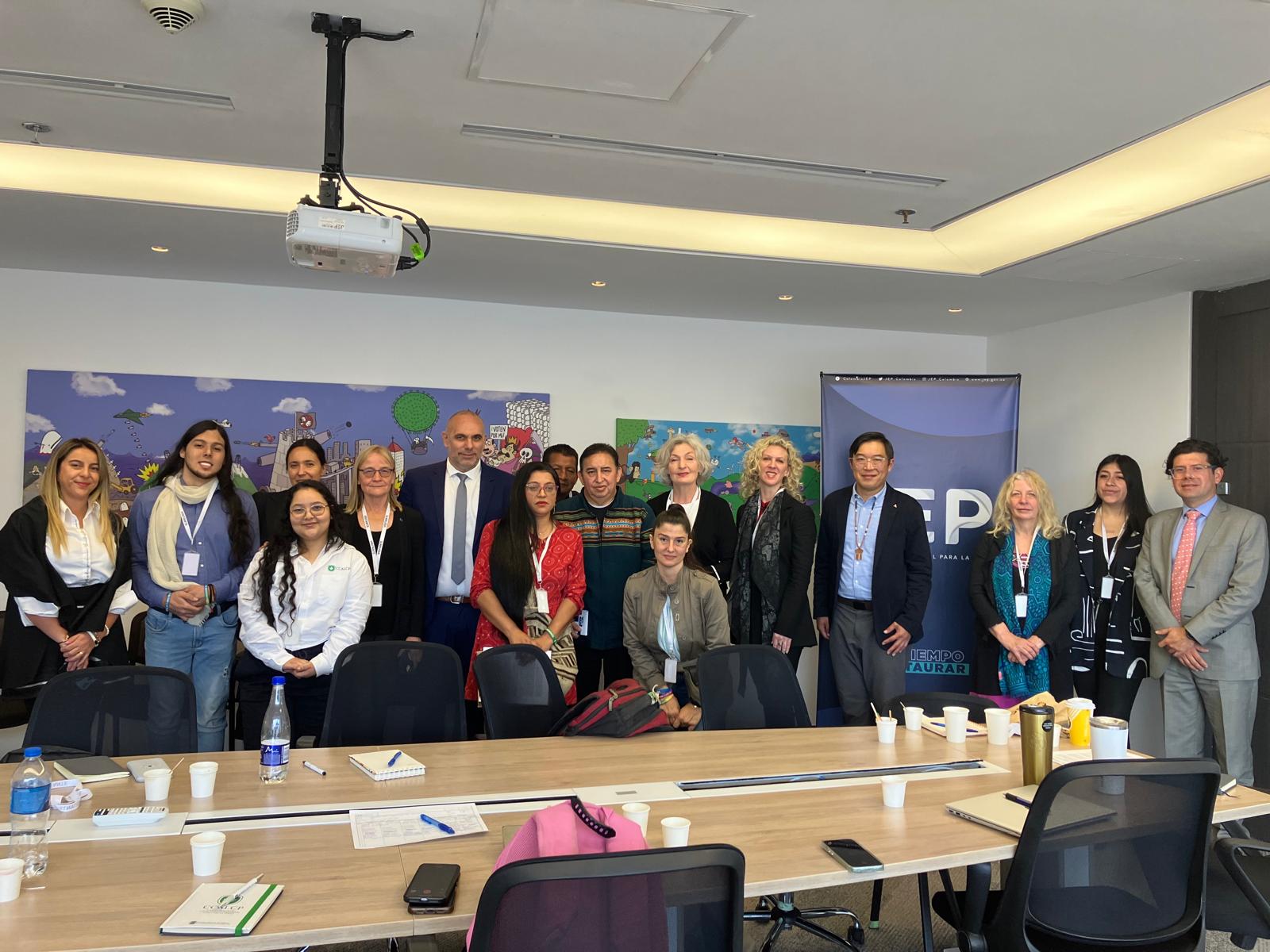
Caravanistas and Colombian leaders meeting with the JEP in Bogotá
The Caravana’s visit underscored the profound need for international solidarity, especially in regions where communities face serious threats to their lives, land, livelihoods, and fundamental rights. Our journey took us to Nasa territory in southern Colombia, where caravanistas engaged in intercultural dialogues with Indigenous authorities and women leaders tackling issues of child recruitment and violence. In the departments of Valle del Cauca and Cauca, these leaders shared their struggles in defending their communities amidst a complex landscape of territorial control. Here, various illegal armed groups vie for dominance, exerting a volatile form of power that occupy territories, endangers leaders and recruits children into their ranks.

Caravana team in Nasa Indigenous territory, Valle del Cauca
We were inspired by the resistance of fisherwomen from ASOMUPROCA and their ecofeminist lawyers from ASOCOLEMAD, who revealed the harsh intersection of gender-based violence, environmental degradation, and decades-long neglect in land restitution in the Magdalena region. Despite the legal and physical dangers, including the forced exile of Luz Stella Romero and her son, these women continue their fight for justice.
In Tibu, an area heavily affected by conflict, our caravanistas witnessed the resilience of communities striving to preserve their histories and resist in regions neglected by the state. Near the Colombia-Venezuela border, we engaged with peasant organisations and local legal advocates, illuminating the urgent need to strengthen the peace process and address complex socio-political dynamics.

Speech by Bari Indigenous leader at the Victims’ gathering in Tibu
In Bolívar, we encountered overlapping issues of land dispossession, labour rights violations, and gender-based violence. Local judges and lawyers described the many obstacles they face in delivering justice amidst these challenges, underscoring the systemic barriers still to be overcome.
The interim report was launched at the British Parliament, hosted by the All-Party Parliamentary Human Rights Group and chaired by MP Ellie Chowns. The event took place against the backdrop of the COP16 summit in Colombia, which drew global attention to critical environmental and human rights issues, particularly regarding Indigenous land rights and biodiversity conservation. This was echoed in Héctor Jaime Vinasco’s powerful speech on behalf of the Embera Chamí Indigenous community, highlighting the enduring exploitation of Colombia’s natural resources—a legacy that dates back to colonial times. Speaking from his ancestral land, Héctor detailed the devastating environmental and cultural impacts that mining has inflicted on Indigenous territories. He appealed to the international community to recognise the rights of Indigenous peoples and called for solidarity to protect Colombia’s richly biodiverse ecosystems from unchecked extraction.

Hector’s powerful speech at the UK Parliament
Héctor emphasised the severe impact of gold mining:
“The last decade has seen an alarming encroachment by multinational mining companies, which, in their drive to establish extractive projects, violate the rights of Indigenous communities. Companies such as Anglo Gold Ashanti, partially owned by Dimensional Fund Advisors Ltd, as well as Exploradora la Esperanza and Seafield Mining, have obtained mining concessions in our territory without any consultation—denying the Embera Chamí People the free, prior, and informed consent mandated by our rights and recognised Indigenous authorities.”
The COP16 summit, held in Cali, marked an important step forward with unprecedented participation from Indigenous groups and local communities, who actively engaged in discussions on pressing issues such as Amazon rainforest preservation, tropical forest financing, and sustainable land use policies. A key outcome of the summit was the establishment of a permanent body dedicated to Indigenous and local communities, offering a formal platform to amplify their voices within these critical global discussions. However, unresolved challenges remain, particularly around financial commitments and monitoring frameworks, which continue to hinder progress toward meeting the ambitious global targets for biodiversity and climate action.
Reflecting on these themes, Héctor concluded with a powerful call to action:
“We must work tirelessly for peace in our country, and we are grateful to those who join this purpose; understanding that peace cannot be achieved without peace with nature, without meeting the basic needs of communities, and without making great strides to ensure that all children have access to food and education.”
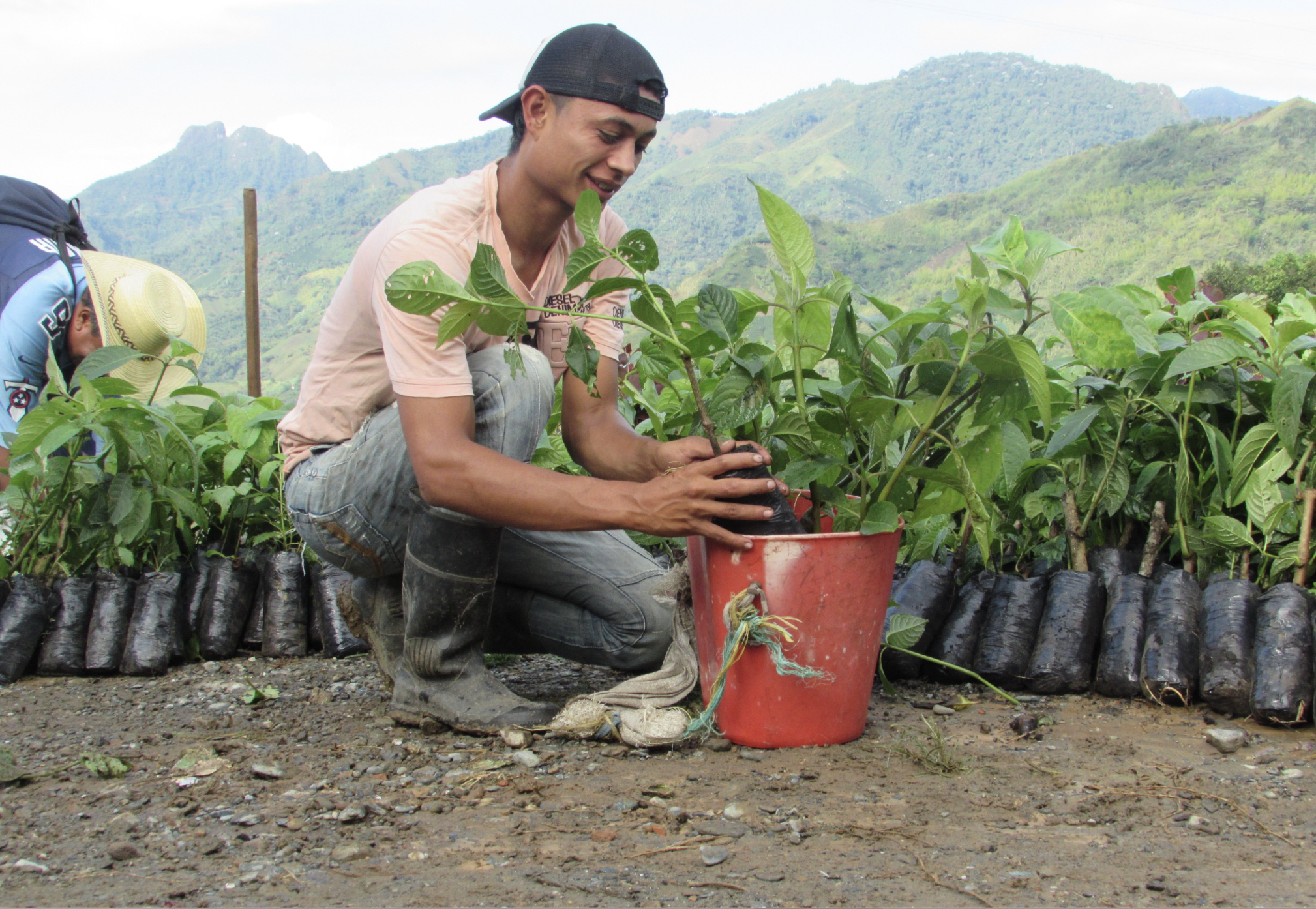
Resguardo Indigena Embera Chamí Cañamomo Lomaprieta, Rosucio
Héctor’s words serve as a reminder of the interconnectedness of environmental justice, community wellbeing, and lasting peace.
The Caravana’s gathering at Parliament reflected the strength of the alliance between human rights defenders and the international community, united in the fight for justice, peace, and environmental protection.
For further details on our findings and recommendations, please read the interim report, available in both English and Spanish.